When Dementia Leads to Wandering: Prevention Tips and Safety Plans for Families
Introduction
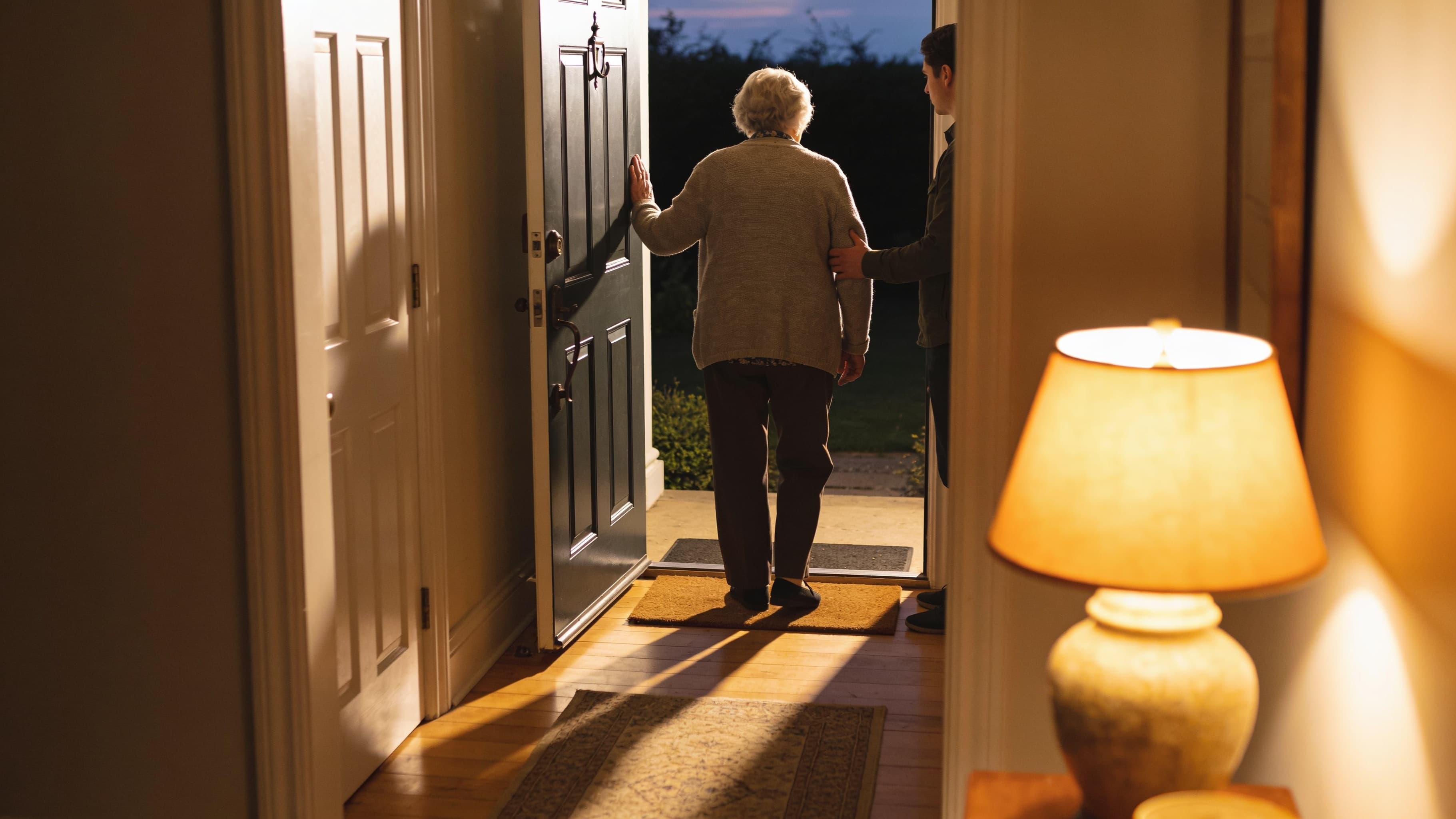
You have just put your mother to bed, but an hour later you hear the front door click open. She is standing on the porch in her nightgown, confused, saying she needs to go home. Your heart races. This is wandering, one of the most frightening behaviors of dementia, and it affects more than half of people living with Alzheimer's at some point. For families, the fear of a loved one walking away unnoticed is constant. But you can take steps to prevent wandering and build a response plan that gives everyone a measure of peace.
Why People With Dementia Wander
Wandering is not aimless. Often the person is looking for something, a bathroom, a past home, a sense of purpose. Fatigue, overstimulation, hunger, or a change in routine can trigger it. Understanding the why helps you address the root cause, not just the action.
Consider a family whose father, Roy, began pacing every afternoon around 3 p.m. His daughter noticed he was restless and hungry after skipping lunch. A simple routine change, a snack and a short walk together, reduced his urge to wander. Small adjustments can make a big difference.
Prevention Strategies for Your Home
Secure the Environment
- Install simple deadbolts or slide locks high on doors, out of sight and reach.
- Place black tape or dark mats in front of doors; some people interpret them as holes and avoid stepping over.
- Use childproof door knob covers or keypad locks. Keep a backup key accessible for caregivers.
- Camouflage doors with curtains or paint that matches the wall.
- Ensure windows, especially on ground floors, have locks or safety stops.
Create a Calming, Engaging Space
A bored person is more likely to wander. Fill the home with meaningful activities. For example, a basket of socks to fold, a simple puzzle, or a playlist of favorite songs can redirect energy. For more ideas, read our article on fun activities for seniors that keep them engaged without overwhelming them.
Maintain Routine and Reduce Sundowning
Wandering often happens in the late afternoon or evening, a phenomenon called sundowning. Keep lights bright, close curtains to block confusing shadows, and offer a calming activity like listening to soft music. A consistent daily routine for meals, rest, and walks can reduce anxiety and agitation.
Safety Plan Essentials
No prevention is perfect. Every family caring for someone with dementia should have a written safety plan.
Identification and Tracking
- Medical ID bracelet: Engrave with name, diagnosis, and emergency contact.
- GPS tracker: Discreet devices can be worn on a watch, sewn into a shoe, or clipped to a belt. Smartphone apps with location sharing also work if the person carries a phone.
- ID cards in pockets: A simple card with “I have memory loss. Please call (name/number).”
- Register with the Alzheimer's Association Safe Return program (part of MedicAlert) at alz.org.
Notify Neighbors and Local Authorities
Give a recent photo of your loved one to trusted neighbors. Ask them to call you if they see the person out alone. Also inform your local police department that someone with dementia lives at your address. Some departments maintain a vulnerable persons registry.
What to Do When Wandering Happens
- Stay calm; check the house first (closets, bathrooms, laundry room).
- If not found, call 911 immediately. Tell the dispatcher the person has dementia and is likely confused.
- Search starting with the person's most likely destination, a former home, a grocery store, a church.
- Do not wait to see if they come back. Early response saves lives.
For more detailed response steps, the National Institute on Aging offers a guide: nia.nih.gov.
Emotional Support for Caregivers
Living with the threat of wandering is exhausting. You may feel guilty about locking doors, or worry you are restricting your loved one's freedom. These feelings are normal. You are not a jailer; you are protecting someone who can no longer protect themselves.
Consider talking to a support group or a counselor. Many local Area Agencies on Aging offer free caregiver coaching. The Eldercare Locator (eldercare.acl.gov) can connect you to resources in your community.
Also, remember to take care of your own well-being. Caregiver burnout is real, our article on caregiver burnout prevention offers practical habits to sustain yourself emotionally while caring for someone with dementia.
It can also be hard to introduce safety measures a parent resists. If your loved one refuses to wear an ID bracelet or fights new locks, you may need a gentle conversation. Our guide on how to talk when a parent refuses help provides scripts that preserve dignity while keeping everyone safe.
When to Consider More Support
If wandering becomes frequent or dangerous despite all precautions, it may be time to explore a higher level of care. Memory care units are designed with secure outdoor spaces and staff trained in dementia behaviors. This is not a failure, it is a decision born of love.
Every family's journey is different. But you do not have to walk it alone. With a prevention plan, a safety response, and a network of support, you can reduce the risk and reclaim small pockets of calm.
This article is for informational purposes only and does not constitute legal or medical advice. Always consult your loved one's healthcare provider regarding specific safety concerns.
Sources & further reading
Related Articles
When Home Care Isn’t Enough: 7 Signs It’s Time for Assisted Living or Memory Care
A practical checklist of 7 signs that home care is no longer safe or sustainable, guiding families toward assisted living or memory care.
Memory Care in Oregon: Licensing, Costs, and What Families Should Look For in 2026
Oregon's memory care costs and regulations explained. How to verify dementia training, compare communities, and budget for 2026.
Private Pay vs. Government Assistance: How Senior Care Actually Gets Paid For
Home care, assisted living, and nursing homes are funded very differently. A plain-language map of private pay versus Medicare, Medicaid, and VA support, setting by setting.