Falls Prevention for Seniors: A Family and Provider Action Plan
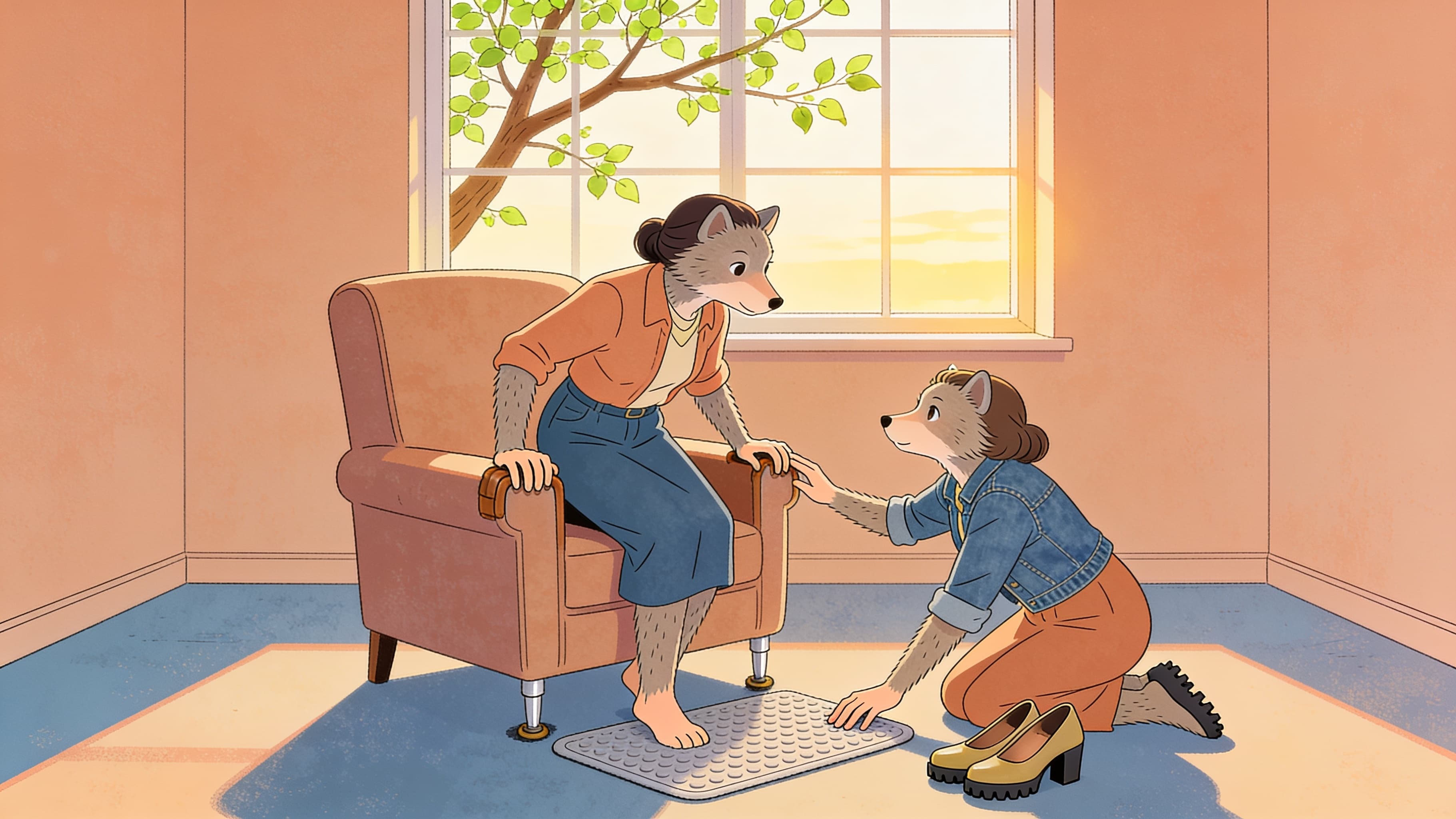
Falls are the leading cause of injury among older adults, according to the Centers for Disease Control and Prevention (CDC). Each year, millions of seniors experience a fall, and one out of every five falls causes a serious injury, such as a broken bone or a head injury. But here’s the good news: most falls are preventable. With a little proactive planning, you can help your loved one stay safe, independent, and confident at home.
This guide walks through four key areas: home modifications, exercise programs, medication reviews, and vision checks. Each section includes concrete steps you can take today.
Home Modifications: Simple Changes That Make a Big Difference
Think of your loved one’s home through their eyes, literally. Clutter, poor lighting, and slippery surfaces are common culprits. Start with these adjustments:
- Remove tripping hazards. Loose rugs, cords, and low furniture can easily cause a stumble. Secure rugs with double-sided tape or remove them altogether. Tuck cords along baseboards.
- Improve lighting. Place nightlights in hallways, bathrooms, and bedrooms. Install brighter bulbs and ensure light switches are easy to reach at room entrances.
- Install grab bars. In the bathroom, grab bars near the toilet and in the shower or tub provide crucial support. Avoid using towel racks as grab bars, they’re not designed to bear weight.
- Add handrails. If there are stairs, sturdy handrails on both sides can prevent many falls.
- Use non-slip mats. Place them in the bathtub, shower, and on bathroom floors.
Takeaway: Walk through each room with a critical eye. If something looks like it could cause a fall, address it now.
Exercise Programs: Strength and Balance Are Your Best Friends
Physical activity is one of the most effective ways to prevent falls. Programs that focus on balance, strength, and flexibility can reduce fall risk by up to 40%, according to the National Institute on Aging.
- Tai Chi: This gentle, flowing exercise improves balance and muscle control. Many community centers offer classes specifically for seniors.
- Chair yoga: Perfect for those with limited mobility, chair yoga builds strength and flexibility without requiring standing.
- Walking: A daily walk, even 10 to 15 minutes, maintains leg strength and cardiovascular health. Use a walker or cane if needed.
- Physical therapy: If your loved one has had a fall or feels unsteady, a physical therapist can design a personalized program.
Encourage your loved one to aim for at least 30 minutes of activity most days. Start small and celebrate every step forward.
Medication Reviews: A Simple Check Can Prevent Dizziness
Some medications, or combinations of medications, can cause dizziness, drowsiness, or balance problems. The CDC recommends a medication review at least once a year, and whenever a new drug is prescribed.
- Make a list. Write down all prescription drugs, over-the-counter medicines, vitamins, and supplements your loved one takes.
- Review with a pharmacist or doctor. Ask specifically: “Could any of these increase fall risk?” Blood pressure drugs, sedatives, and antidepressants are common culprits.
- Check for interactions. Some combinations amplify side effects. A pharmacist can spot these.
- Adjust timing. Taking medications at different times of day might reduce dizziness during active hours.
Takeaway: Don’t assume a medication is safe just because it’s prescribed. A quick review could prevent a fall.
Vision Checks: See Clearly to Stay Steady
Poor vision doubles the risk of falling. Age-related changes like cataracts, glaucoma, and macular degeneration can make it harder to spot hazards.
- Schedule annual eye exams. An optometrist can check for these conditions and update prescriptions.
- Update glasses as needed. Outdated prescriptions strain the eyes and affect depth perception.
- Consider specialized lenses. For example, bifocals can distort depth perception on stairs. Your eye doctor might recommend separate reading and distance glasses.
- Improve home contrast. Use brightly colored tape on stair edges or dark mats on light floors to make obstacles more visible.
Takeaway: Clear vision is a cornerstone of fall prevention. Make eye exams a regular part of your loved one’s health routine.
Putting It All Together: Your Fall Prevention Checklist
Here’s a practical checklist you can use today:
- Remove loose rugs and clutter from walkways
- Install grab bars in the bathroom
- Add nightlights in hallways and bedrooms
- Ensure handrails are secure on both sides of stairs
- Encourage 30 minutes of daily balance-focused exercise
- Schedule a medication review with a doctor or pharmacist
- Book an annual eye exam
- Update eyeglasses prescription if needed
- Use non-slip mats in the shower and tub
- Wear well-fitting, non-slip shoes indoors
When to Consider Additional Help
If your loved one has already fallen, or if they’re afraid of falling, it might be time to explore extra support. Sometimes home modifications aren’t enough, or a loved one needs more supervision. In those cases, consider:
- In-home care: A caregiver can assist with daily tasks and mobility. Learn more about options in our guide on Home Care vs. Adult Day Programs.
- Memory care communities: For seniors with dementia, specialized environments reduce fall risk through design and staff training. See our article on Finding LGBTQ+-Affirming Senior Care for tips on choosing a community.
- Adult day centers: These programs provide social engagement and professional supervision during the day.
You’re Not Alone
Preventing falls isn’t about doing everything perfectly, it’s about taking small, steady steps. Start with one or two changes this week. Every adjustment you make adds to your loved one’s safety and confidence.
For more guidance, visit the CDC’s STEADI initiative (Stopping Elderly Accidents, Deaths & Injuries) and the National Institute on Aging’s fall prevention resources. Both offer free tools and checklists.
Remember: you’re doing important work. And you don’t have to do it alone.
Sources & further reading
Related Articles
When Home Care Isn’t Enough: 7 Signs It’s Time for Assisted Living or Memory Care
A practical checklist of 7 signs that home care is no longer safe or sustainable, guiding families toward assisted living or memory care.
Memory Care in Oregon: Licensing, Costs, and What Families Should Look For in 2026
Oregon's memory care costs and regulations explained. How to verify dementia training, compare communities, and budget for 2026.
Private Pay vs. Government Assistance: How Senior Care Actually Gets Paid For
Home care, assisted living, and nursing homes are funded very differently. A plain-language map of private pay versus Medicare, Medicaid, and VA support, setting by setting.