Managing Sundowning in Memory Care: 7 Evidence-Based Strategies for Families and Staff
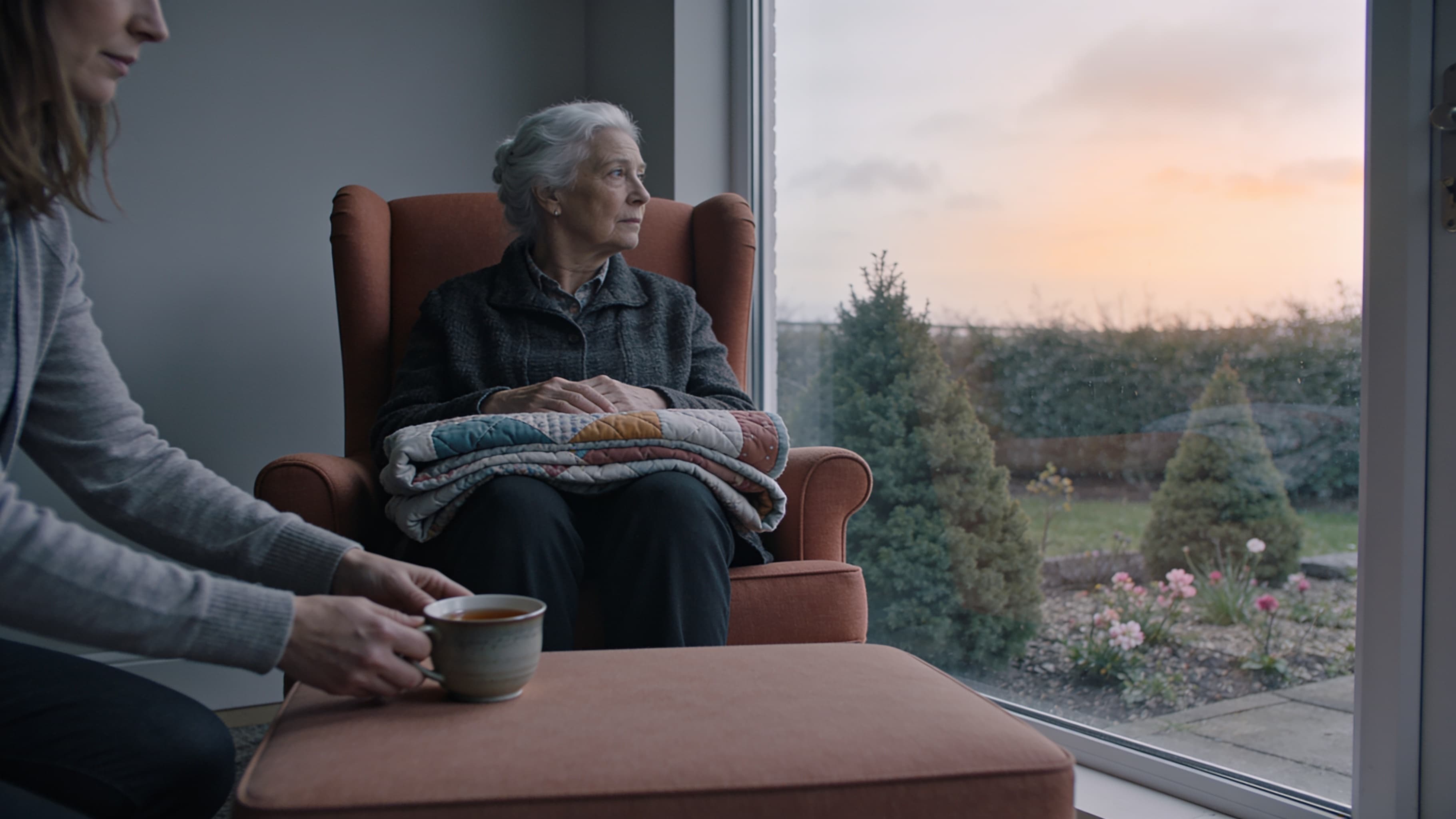
For families and staff caring for someone with dementia, the late afternoon and evening hours can bring a wave of restlessness, confusion, and agitation known as sundowning. This phenomenon is not a disease itself but a cluster of symptoms, anxiety, pacing, yelling, or resisting care, that often peaks between 4 p.m. and 9 p.m. Sundowning is one of the top reasons families call in distress and staff feel stretched thin. The good news: research-backed strategies can reduce its frequency and intensity.
Below are seven evidence-based approaches that blend environmental fixes, medical reviews, and compassionate care techniques. None require expensive equipment or complicated protocols, just a willingness to observe, adjust, and advocate.
1. Optimize the Environment: Light, Noise, and Routine
The physical environment plays a powerful role in sundowning. Dim lighting, long shadows, and unfamiliar sounds can trigger confusion. In contrast, bright light during the day, especially morning sunlight, helps regulate the body's internal clock.
What good looks like:
- Common areas are well-lit in the late afternoon (300 to 500 lux). Residents are exposed to natural light during morning hours.
- Noise levels are kept low: no loud televisions, overlapping conversations, or sudden announcements.
- Meals and activities happen at consistent times every day.
What to watch for:
- Rooms with heavy curtains drawn before sunset.
- Staff who turn on overhead fluorescent lights that flicker.
- A chaotic environment where multiple residents are agitated simultaneously.
The Alzheimer's Association recommends a predictable daily routine as one of the most effective non-drug strategies for sundowning. Simple adjustments, like going outside for 15 minutes in the morning, can make a measurable difference.
2. Monitor Meal Times and Hydration
Hunger, thirst, and digestion can all influence evening agitation. Many memory care residents forget to eat or drink during the day, leading to dehydration or hunger by late afternoon. Conversely, eating a heavy meal too close to bedtime can disrupt sleep.
Practical steps:
- Offer smaller, frequent snacks and drinks throughout the day.
- Avoid caffeine and sugary foods after 2 p.m.
- Ensure the evening meal is light and served early, at least three hours before bedtime.
Anecdotally, many long-term care nurses report that offering a warm, non-caffeinated beverage, like herbal tea or warm milk, during the late afternoon can soothe residents. While not a cure, this low-effort strategy often reduces restlessness.
3. Review Medications with a Geriatric Pharmacist
Medication side effects and interactions are an often-overlooked driver of sundowning. Drugs such as anticholinergics, steroids, and certain blood pressure medications can worsen confusion or agitation in the evening. Overuse of antipsychotics, while sometimes necessary, carries black-box warnings for older adults.
Key questions to ask the prescribing physician:
- Could any of my loved one's medications be contributing to late-day agitation?
- Are there alternatives with fewer cognitive side effects?
- Is a 'medication holiday' possible for certain drugs?
The National Institute on Aging advises families to request a comprehensive medication review by a geriatric pharmacist. This is especially important when a resident takes five or more medications, polypharmacy is common in memory care and a known risk factor for adverse effects.
Consider the family who noticed their mother became agitated every evening after taking a diuretic at 4 p.m. Simply switching the dose to morning reduced her sundowning episodes by half. These adjustments require a doctor's coordination but can be transformative.
4. Encourage Daytime Physical Activity
Activity during the day promotes better sleep at night. In memory care units, residents often spend long hours sitting. That sedentary pattern fuels the energy bursts that come with sundowning.
What to look for in a facility:
- Structured exercise programs (e.g., chair yoga, walking groups, ball toss).
- Opportunities to move between activities, not just sit in front of a TV.
- Staff who encourage residents to walk to the dining room rather than using wheelchairs unnecessarily.
Even simple movements, like stretching or walking the hallway for a few minutes, can discharge anxiety. Our article on best workouts for seniors includes safe, low-impact options that can be adapted for memory care residents.
5. Use Calming Activities and Redirection
When sundowning begins, the goal is not to argue or correct, it is to redirect attention to something comforting. Familiar activities can ground a resident who feels disoriented.
Examples of calming activities:
- Listening to their favorite music from earlier decades.
- Looking at photo albums with simple captions.
- Folding laundry, sorting socks, or other repetitive tasks.
- Gentle hand massage with unscented lotion.
Staff members trained in redirection techniques can often diffuse agitation before it escalates. If a resident believes it is time to “go home,” validate the emotion (“You miss being home, that’s understandable”) and then shift focus to an enjoyable activity nearby.
For families visiting during sundowning hours, consider bringing a calming object, a smooth stone, a small blanket, or a family photo, to help anchor the resident. Our guide on fun activities for seniors offers more ideas that can be adapted for memory care.
6. Train Staff and Family in De-escalation
Sundowning often leads to behaviors that can escalate, pacing, yelling, or even hitting. Staff need hands-on training in how to respond without triggering further agitation.
Red flags in staff training:
- Do staff respond by raising their voices or using restraints?
- Is there a documented protocol for de-escalation that all shifts follow?
- Are family members taught how to respond during visits instead of being left to guess?
Effective de-escalation uses a calm tone, slow movements, and respectful distance. It avoids sudden touches or cornering the resident. If you are a family member planning a visit, call ahead to ask which hours are the resident’s calmest, and arrive then.
7. Prioritize Caregiver Self-Care
Sundowning is exhausting for everyone. Family caregivers and facility staff alike face the brunt of evening agitation. Burnout is real, and it leads to reactive, less effective care.
What good support looks like:
- Staff schedules that allow breaks and consistent assignment to the same residents.
- Respite care options for families, such as adult day programs or overnight stays.
- Support groups where caregivers can share strategies and frustrations.
The Alzheimer’s Association provides free caregiver support groups, and many Area Agencies on Aging offer counseling. If you are a family member and find yourself dreading evening calls or visits, that is a signal to seek help, not a failure of love.
Remember: sundowning is not anyone’s fault. But it can be managed when families and staff work together with informed, evidence-based strategies. Small changes in light, medication timing, and daily routines can make evenings calmer, for the resident and everyone who cares for them.
This article provides general information and is not a substitute for professional medical advice. Always consult a qualified healthcare provider for medical decisions.
Sources & further reading
Related Articles
When Home Care Isn’t Enough: 7 Signs It’s Time for Assisted Living or Memory Care
A practical checklist of 7 signs that home care is no longer safe or sustainable, guiding families toward assisted living or memory care.
Memory Care in Oregon: Licensing, Costs, and What Families Should Look For in 2026
Oregon's memory care costs and regulations explained. How to verify dementia training, compare communities, and budget for 2026.
Private Pay vs. Government Assistance: How Senior Care Actually Gets Paid For
Home care, assisted living, and nursing homes are funded very differently. A plain-language map of private pay versus Medicare, Medicaid, and VA support, setting by setting.