Ohio Home Care Waivers Explained: How PASSPORT and MyCare Ohio Can Pay for In-Home Support
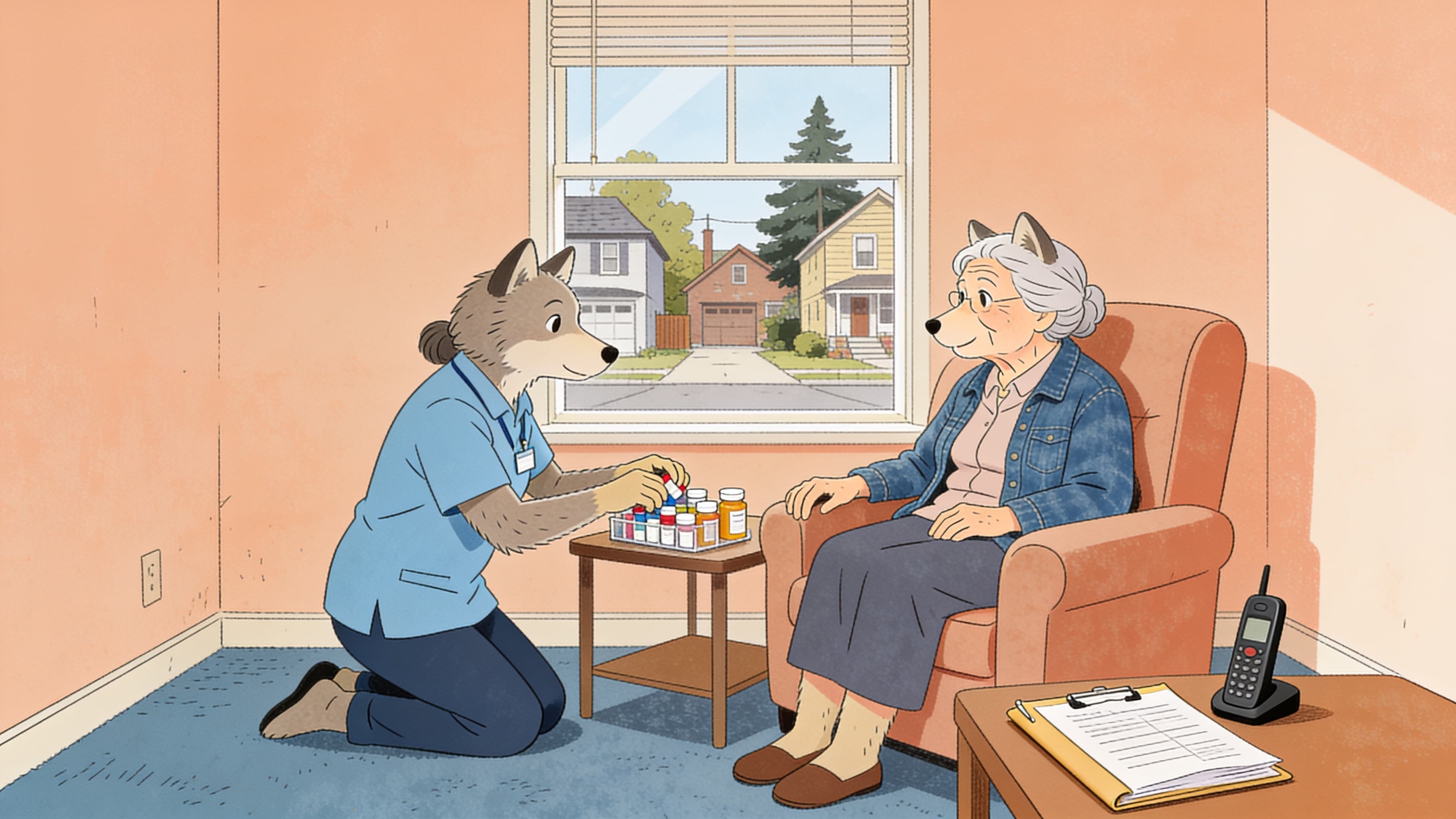
What Are Ohio Home Care Waivers?
Ohio Medicaid doesn't only pay for nursing homes. Through home and community-based services (HCBS) waivers, the state can cover in-home support for older adults and people with disabilities who would otherwise need facility care. Two programs do the heavy lifting for seniors:
- PASSPORT is Ohio's largest HCBS waiver for older adults. It operates on a fee-for-service basis and is administered through the Ohio Department of Aging.
- MyCare Ohio is a managed care demonstration for people eligible for both Medicare and Medicaid (dual eligibles). It bundles Medicare and Medicaid benefits into a single plan.
Both are federally approved waivers, meaning CMS has signed off on Ohio using Medicaid dollars for home care instead of institutional placement. As of 2025, Ohio served over 60,000 individuals through PASSPORT and enrolled roughly 200,000 members in MyCare Ohio. Those numbers have continued to grow into 2026.
Why does this matter for your family? In-home care in Ohio averages $26 to $31 per hour, according to recent Genworth Cost of Care data. For a parent who needs 30 hours a week of help, that adds up to $3,100 to $3,700 per month out of pocket. A waiver can cover most or all of those service costs, keeping your parent at home and your family's finances intact.
PASSPORT: Ohio's Premier Home Care Waiver
PASSPORT (Pre-Admission Screening System Providing Options and Resources Today) covers a broad set of services: case management, homemaker help (laundry, cleaning, meal prep), personal care (bathing, grooming, dressing), adult day care, respite care (up to 30 days per year), home-delivered meals, emergency response systems, and minor home modifications like grab bars or ramp installation.
Recipients choose their providers from a list of enrolled agencies. If you live in Zanesville or Chillicothe, your options may be more limited than in Columbus or Dayton, but the program operates statewide.
A Realistic Cost Scenario
Imagine a parent with moderate dementia who needs 30 hours per week of personal care. Without a waiver, that care might cost $3,400 per month at Ohio's average rates. With PASSPORT, Medicaid covers the service costs. The family still pays for housing, groceries, and utilities. If the parent's income exceeds certain thresholds, there may also be a monthly "patient liability" (think of it as a copay), typically $200 to $500 per month depending on income. That is still far less than $3,400.
For more on Ohio senior care costs, see The Cost of Memory Care in Ohio: 2026 Pricing and What Families Can Expect.
MyCare Ohio: Managed Care for Dual Eligibles
MyCare Ohio is designed for people age 18 and older who receive both Medicare Part A and Part B and qualify for Ohio Medicaid. Instead of separate Medicare and Medicaid billing, members enroll in a single managed care plan (CareSource, Molina, or Buckeye, depending on the region) that coordinates everything.
MyCare Ohio covers all the home care services PASSPORT does, plus Medicare-covered home health (skilled nursing, physical therapy, occupational therapy) and additional benefits that vary by plan, such as transportation to appointments, telehealth visits, over-the-counter health product allowances, and home safety evaluations for fall prevention.
The trade-off: you must use providers within your plan's network. In metro areas like Cleveland, Cincinnati, or Toledo, networks tend to be large. In rural counties (think Appalachian Ohio, the Hocking Hills region, or parts of northwest Ohio near Defiance), networks can be thin. Ask the plan directly for its provider directory in your county before enrolling.
Who Qualifies? Eligibility for Both Programs
Both PASSPORT and MyCare Ohio require two types of eligibility: financial and functional.
Financial Eligibility (2026 Figures)
| Criteria | PASSPORT | MyCare Ohio |
|---|---|---|
| Income limit | 300% of SSI FBR (approximately $2,382/month, adjusted for 2026 COLA) | Same Medicaid income standard; must also have Medicare Part A and B |
| Asset limit (individual) | $2,000 | $2,000 |
| Asset limit (couple) | $3,000 | $3,000 |
| Exempt assets | Primary home (up to $713,000 equity, 2026), one vehicle, personal belongings, prepaid burial | Same |
| Community Spouse Resource Allowance | Up to approximately $154,140 (2026 estimate) | Same |
A few clarifications: the managed care structure of MyCare Ohio does not change the Medicaid asset test. The same $2,000 individual limit applies. And both programs use the standard Medicaid five-year look-back period for asset transfers. If a parent gifted $20,000 to a grandchild three years ago, that transfer will be scrutinized and could create a penalty period of ineligibility.
Functional Eligibility
Both programs require a nursing facility level of care (LOC). A state assessor, typically through your local Area Agency on Aging, evaluates the applicant using the Ohio Comprehensive Assessment Tool. In practical terms, this means the person needs hands-on help with at least one activity of daily living (bathing, dressing, eating, toileting, or transferring) or has a cognitive impairment that makes independent living unsafe.
Example
Consider a parent with Alzheimer's disease, $1,800 in savings, and $2,500 per month in Social Security income. The income is above the personal needs allowance, so there will be a patient liability, but the parent still qualifies financially. If the assessment confirms the parent needs help with bathing and medication management, the functional requirement is met.
Step by Step: How to Apply
Step 1: Call your local Area Agency on Aging (AAA). Ohio has 12 AAAs covering all 88 counties. Find yours at aging.ohio.gov or call the statewide Senior Resource Line. Tell them: "My parent needs help with bathing and cooking, and we're worried about safety at home. Can we schedule a PASSPORT assessment?" Ask about current waitlist status for your county during this call.
Step 2: Complete the in-home assessment. A caseworker visits the home to evaluate functional needs and gather financial documents.
Step 3: Apply for Ohio Medicaid. This is a separate step. Submit an application online at benefits.ohio.gov or in person at your county Job and Family Services office. You must be approved for Medicaid before the waiver can take effect. Many families skip this step and apply only for the waiver, which results in a rejection.
Step 4: Enroll in the waiver or plan. If approved for PASSPORT, a case manager helps you select providers and build a care plan. For MyCare Ohio, you choose a managed care plan within 30 days of receiving your dual-eligibility letter.
How Long Does It Take?
Medicaid eligibility determination typically takes 45 to 90 days. Waiver enrollment may add another 30 to 60 days. Expedited processing exists for urgent needs (for example, a hospital discharge with no safe home plan). In total, expect roughly two to four months from first call to first day of services.
Be aware that some services, particularly adult day care and respite, may have their own capacity limits. Rural counties in southern and eastern Ohio sometimes have fewer providers, which can mean additional wait time. Your AAA can tell you what is available locally.
Documents to Gather
- Proof of income (Social Security award letter, last 30 days of any other income)
- Asset statements (bank accounts, investments)
- Proof of citizenship or legal residency (birth certificate, passport, or naturalization certificate)
- Medical records supporting functional need
- Physician's statement, if requested
What Services Do These Waivers Cover?
PASSPORT covers: case management, homemaker services, personal care, adult day care, respite care, home-delivered meals, emergency response systems, and minor home modifications.
MyCare Ohio covers all of the above plus Medicare home health (skilled nursing, physical therapy), transportation, telehealth, and plan-specific extras like over-the-counter allowances and home safety evaluations.
Cost-Sharing Details
PASSPORT recipients may owe a monthly patient liability, calculated as income minus a $50 personal needs allowance. MyCare Ohio members generally have no additional premium for Medicare Part A, though some Medicare coinsurance may apply for certain services.
Both waivers have annual caps on specific services. For example, PASSPORT respite care has historically been capped at roughly $4,000 per year. Check with your case manager or plan for current limits.
Provider Choice
PASSPORT lets you pick any enrolled provider. MyCare Ohio restricts you to the plan's network but often offers enhanced coordination and extra benefits. Families in mid-sized cities like Springfield, Mansfield, or Lima should verify that their preferred home care agency is in-network before choosing a MyCare Ohio plan.
How Do Home Care Waivers Compare to Nursing Home Medicaid?
Nursing home Medicaid in Ohio covers room, board, and round-the-clock care at a facility. The average cost runs $9,000 to $10,500 per month, according to Genworth data, all covered by Medicaid after the patient liability. Home care waivers pay only for services. You still cover housing, food, and utilities.
The financial eligibility rules are essentially the same: both require Medicaid approval, both use the $2,000 asset limit, and both apply the five-year look-back for asset transfers.
The real difference is autonomy. With a waiver, your parent chooses their schedule, their caregivers, and their daily routine. A parent with early-stage dementia might stay home for several more years before facility care becomes necessary, preserving independence and saving the Medicaid program (and your family) significant costs.
Estate Recovery: What Families Should Know
Ohio Medicaid can file a claim against a recipient's estate for services paid after age 55. This applies to both nursing home Medicaid and HCBS waivers, including PASSPORT and MyCare Ohio. If your parent owns a home, the state may seek reimbursement from the estate after the parent passes. Exceptions exist: if a surviving spouse, a child under 21, or a disabled child lives in the home, estate recovery is delayed or waived. For families concerned about protecting a home or other assets, consulting an elder law attorney accredited by the National Elder Law Foundation is a practical step.
Common Application Mistakes and How to Avoid Them
Skipping the Medicaid application. Both PASSPORT and MyCare Ohio require Medicaid approval first. Apply for Medicaid and the waiver as parallel steps, not sequentially.
Incomplete medical documentation. The level-of-care assessment depends on evidence of functional impairment. Request a detailed letter from your parent's physician specifying which activities of daily living require assistance.
Assuming the house must be sold. A primary home with equity up to approximately $713,000 (2026) is exempt if a spouse lives there, or if the applicant intends to return home. Many families panic unnecessarily.
Missing the MyCare Ohio enrollment window. Dual eligibles have a 90-day initial enrollment period. Missing it means waiting for the next open enrollment cycle.
Failing to report financial changes. An inheritance, a life insurance payout, or a property sale can push assets over the limit and trigger a period of ineligibility. Report changes promptly and work with your case manager.
Resources and Next Steps
- Ohio Department of Aging: Official PASSPORT program details, AAA finder, and provider lists.
- Ohio Medicaid, MyCare Ohio: Plan choices, enrollment guides, and contact information for MyCare Ohio.
- Eldercare Locator: Call for personalized help finding your local AAA and benefits counseling.
- AARP Ohio: Free guides on long-term care options in Ohio.
Your most productive first step: call your local AAA and ask for a PASSPORT screening. Have your parent's age, monthly income, and a brief description of their daily care needs ready. If there is a waitlist in your area, ask what interim services (such as Ohio's HEAP utility assistance or local Meals on Wheels) might help bridge the gap.
This article provides general information about Ohio Medicaid waiver programs and is not legal or financial advice. For guidance specific to your family's situation, consult an elder law attorney or a Medicaid planning specialist.
Sources & further reading
- Ohio Department of Aging · Ohio Department of Aging
- Ohio Medicaid · Ohio Department of Medicaid
- Eldercare Locator · Administration for Community Living
- AARP Ohio · AARP
Related Articles
When Home Care Isn’t Enough: 7 Signs It’s Time for Assisted Living or Memory Care
A practical checklist of 7 signs that home care is no longer safe or sustainable, guiding families toward assisted living or memory care.
Memory Care in Oregon: Licensing, Costs, and What Families Should Look For in 2026
Oregon's memory care costs and regulations explained. How to verify dementia training, compare communities, and budget for 2026.
Private Pay vs. Government Assistance: How Senior Care Actually Gets Paid For
Home care, assisted living, and nursing homes are funded very differently. A plain-language map of private pay versus Medicare, Medicaid, and VA support, setting by setting.